
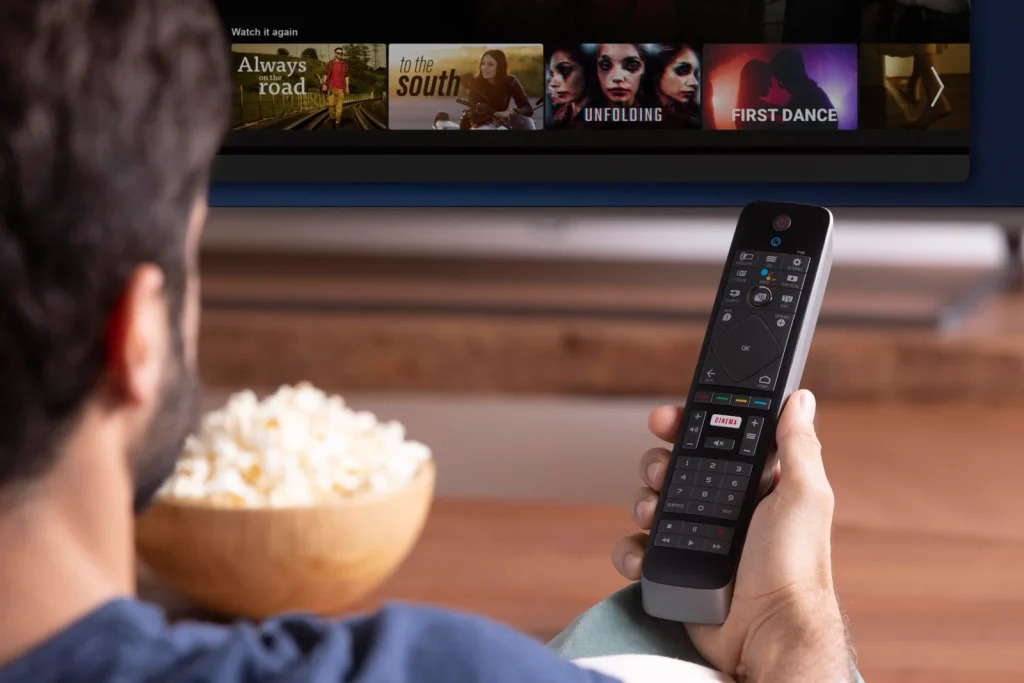
Reliable streaming depends on more than simple access, as consistency defines how viewers experience long sessions across screens. Stable delivery helps screens perform without unexpected interruptions, keeping attention focused on content rather than technical distractions.
Viewers across regions increasingly rely on united kingdom IPTV to maintain steady playback quality, especially when switching between supported devices. Predictable stream behavior builds trust during both short and extended viewing periods.
Consistent Streams Across Modern Viewing Screens
Smooth playback results from disciplined stream management rather than chance, ensuring visuals remain stable regardless of screen type. Providers refine delivery paths to reduce playback hesitation while maintaining clarity across different resolutions.
Each supported screen benefits when stream timing remains predictable, allowing transitions to feel natural instead of disruptive. Uniform delivery preserves clarity across televisions, tablets, and connected displays without noticeable degradation.
Playback Stability Shaped By Technical Precision
Stable viewing begins with carefully managed stream distribution, where precision ensures visuals arrive evenly across connected devices. Attention to delivery timing reduces interruptions while maintaining consistent motion and visual clarity.
Key influences shaping playback stability
- Stream packets delivered in steady sequences
- Balanced server loads during peak demand
- Efficient decoding across supported platforms
- Optimized bitrate flow for consistent visuals
- Reduced latency between source and screen
- Controlled buffering intervals during transitions
These factors work together to preserve uninterrupted viewing, creating an experience where adjustments remain invisible to the viewer. When precision guides delivery, playback disruptions stay minimal and viewing confidence increases naturally.
Why Do Devices Handle Streams Differently?
Different screens interpret incoming data based on internal processing behavior, which influences how visual information is decoded and displayed. Hardware design affects responsiveness, meaning some devices require greater consistency to maintain smooth motion. Larger displays may demand tighter delivery control to avoid visible hesitation, while smaller screens often mask minor variations more effectively without noticeable impact.

Network Responsiveness Supporting Seamless Viewing
Responsive networks maintain viewing flow even under varying conditions, ensuring streams recover quickly from momentary fluctuations. Connection handling plays a central role in determining how smoothly visuals continue during demand changes or device switching moments.
Elements supporting network responsiveness
- Adaptive routing paths reducing delivery delays
- Real-time monitoring of stream flow integrity
- Prioritized data channels for visual continuity
- Balanced bandwidth allocation across connections
- Efficient error correction during signal variation
- Stream synchronization across multiple endpoints
When responsiveness remains high, visual pacing stays intact without drawing attention to corrective processes. Viewers notice steadiness rather than interruptions or quality shifts.
Can Viewers Expect Reliable Everyday Performance?
Most viewers seek assurance rather than technical perfection, valuing reliability over complex specifications. Consistency matters more than peak capability when sessions stretch longer or devices change unexpectedly.
Device transitions remain fluid when united kingdom IPTV manages stream delivery efficiently, allowing viewing to continue without repeated adjustments. That stability supports relaxed, uninterrupted engagement across everyday use.
Dependable Viewing Across Connected Screens
Confidence grows when playback remains predictable across environments, reinforcing trust during extended sessions. Connected screens respond better when delivery patterns stay stable, maintaining clarity and motion consistency. That reliability shapes expectations and defines the overall viewing experience without demanding attention from the viewer.