

Finding a high-quality living space often feels difficult when monthly limits must stay under control. Careful planning helps people select luxury apartments you can afford without causing pressure on savings or daily spending. Many renters think higher-level housing always means high cost, but proper budgeting proves otherwise. Clear decisions about income limits, priorities, and payment plans make the process easier. Small financial adjustments allow better choices without losing stability. The ideas below show how planned spending helps people choose the right place without stress.
Setting a clear monthly housing limit early
Understanding the income range before searching prevents confusion later. A fixed amount gives direction and avoids overspending during selection.
- Calculate total earnings after taxes before deciding payment capacity
- Keep rent amount below a safe percentage of the monthly income range
- Include electricity and water charges before confirming payment decision
- Save part of income for emergency needs every month
Planned limits make decision-making simple and controlled.
Balancing income savings and rent decisions
Budget planning works best when income, savings, and housing costs stay balanced. Overspending on living space often reduces future stability. A smart ratio between rent and savings keeps finances steady. Careful calculation helps avoid stress later.
Comparing facilities before the final payment decision
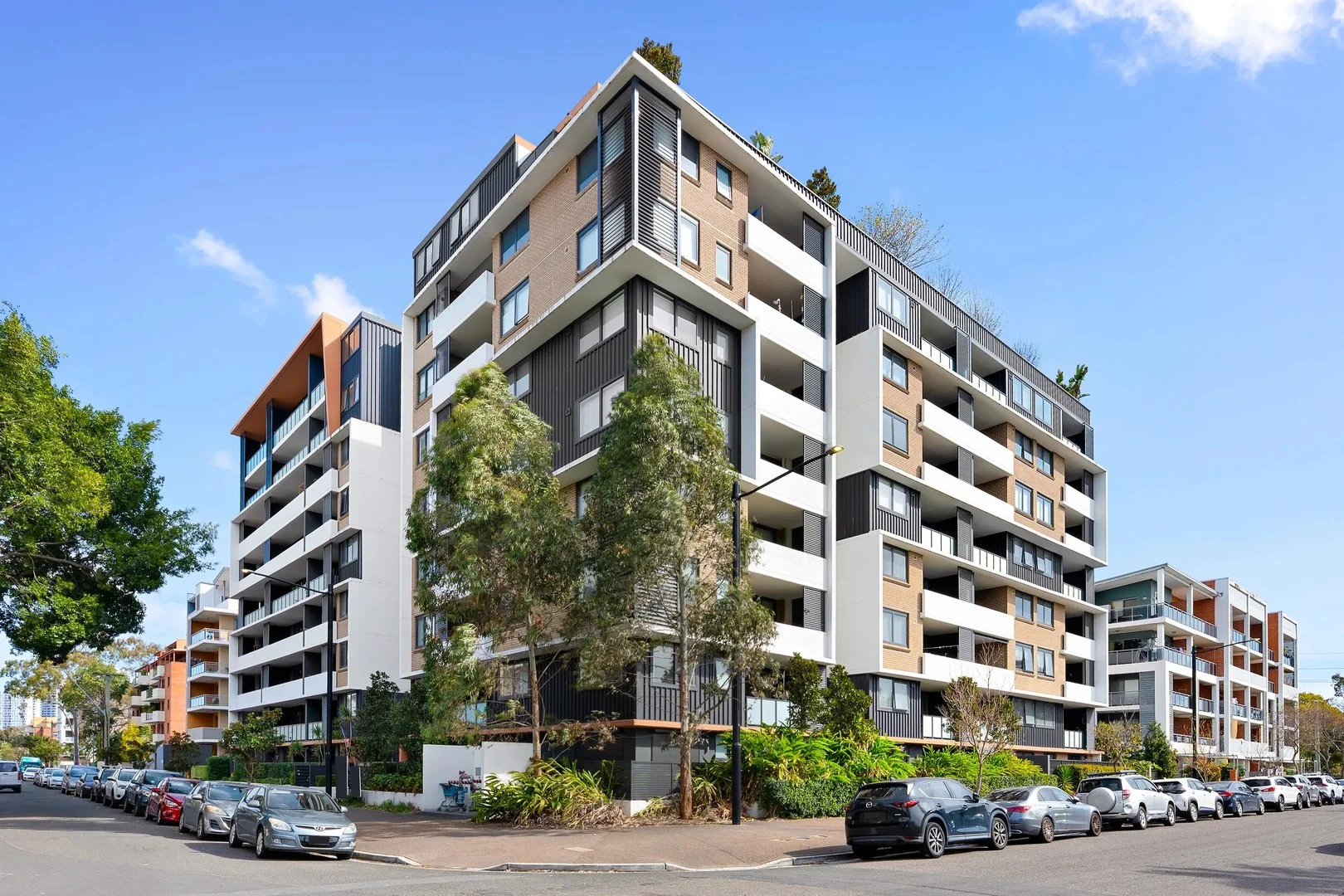
Many buildings offer extra features that increase the monthly cost. Checking which services are really needed helps reduce waste. Some people pay more for unused options. Select only useful facilities to stay within the limit.
Tracking every expense before signing agreement
Checking all expenses early helps avoid surprise payments later. This step also supports selecting luxury apartments you can afford without crossing safe limits.
- Write down all daily spending before planning housing payment
- Include travel cost, utility bills, and maintenance charges in the calculation
- Reduce unnecessary subscriptions before increasing the housing budget
- Keep a small reserve amount for sudden repair expenses
- Compare two or three options before final approval decision
- Avoid choosing a place based only on its appearance value
- Check yearly rent increase rules before signing papers
- Confirm the deposit amount fits the current savings level safely
Accurate tracking keeps the decision practical.
Choosing size based on actual needs
Large units look attractive but may not fit the budget. Selecting the correct size keeps the payment low while still giving a good living space. Simple choices often save more money.
Checking payment terms and hidden charges
Some agreements include extra fees that increase the total cost. Reading every condition carefully avoids future problems. Knowing the payment schedule also helps plan savings. Clear terms give financial control.
Planning a yearly budget for housing stability
Long-term planning makes living costs easier to manage. Rent should match yearly income growth. Sudden increase becomes easier when savings exist. Planning protects financial balance.
Reviewing contract details before approval
Always read the agreement slowly before signing any document. Check deposit rules, maintenance duties, and payment dates clearly. Proper review prevents loss later.
Using simple budget tools for planning
Basic budget charts help track income and spending. Writing numbers regularly shows how much rent is safe. Small records improve financial discipline.
Smart choices lead to stable living
Careful budgeting makes high-quality living possible without financial pressure. Clear limits, expense tracking, and contract checking keep payments under control. Choosing only the needed features reduces waste. Planning yearly spending protects savings. When decisions follow simple calculations, people can select the right home while keeping money safe.