
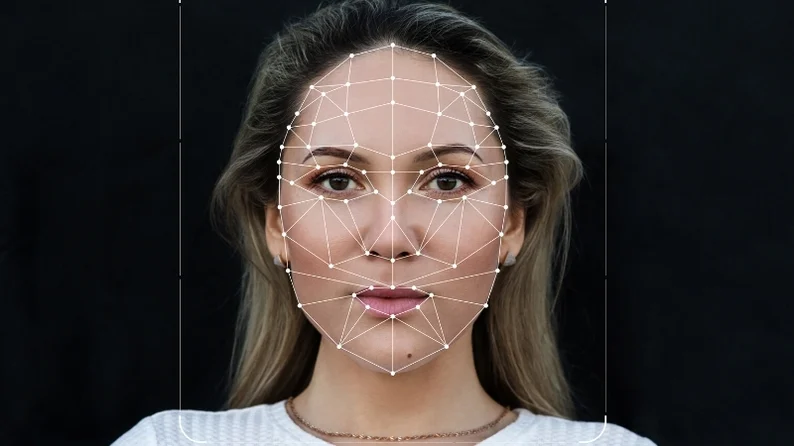
The tools for manipulating images and video have improved dramatically in the last five years, and the gap between what a skilled forger can produce and what an untrained viewer can detect has widened considerably. Where previous generations of image manipulation left visible artifacts, awkward shadows, mismatched lighting, pixelation at edit boundaries, modern tools can produce synthetic imagery that passes casual visual inspection. Deepfake video, which uses machine learning to map one person’s face and expressions onto another person’s body, has progressed from an obvious novelty to something that can be difficult to distinguish from genuine footage without careful analysis.
The challenge is not purely technical. It is also perceptual. Humans are not particularly good at detecting visual forgeries even under ideal conditions, because we process images holistically rather than pixel by pixel. We see a face and assess whether it looks like a face. We do not naturally check whether the lighting on the face is consistent with the lighting in the rest of the scene, or whether the skin texture has the correct statistical properties for an unmodified photograph. These are the kinds of things that forensic tools check, and they are not things casual visual inspection catches reliably.
There are, however, some signals that remain useful for non-experts. Inconsistencies in lighting and shadow direction are still difficult for manipulation tools to get right in complex scenes. Hands and fingers remain a common failure point for AI image generators: extra fingers, odd joint angles, or unusual proportions. Background text, signs, and small details often contain garbled characters that do not render properly in synthetic images. Teeth, ears, and glasses are other areas where current tools frequently produce small but visible errors.
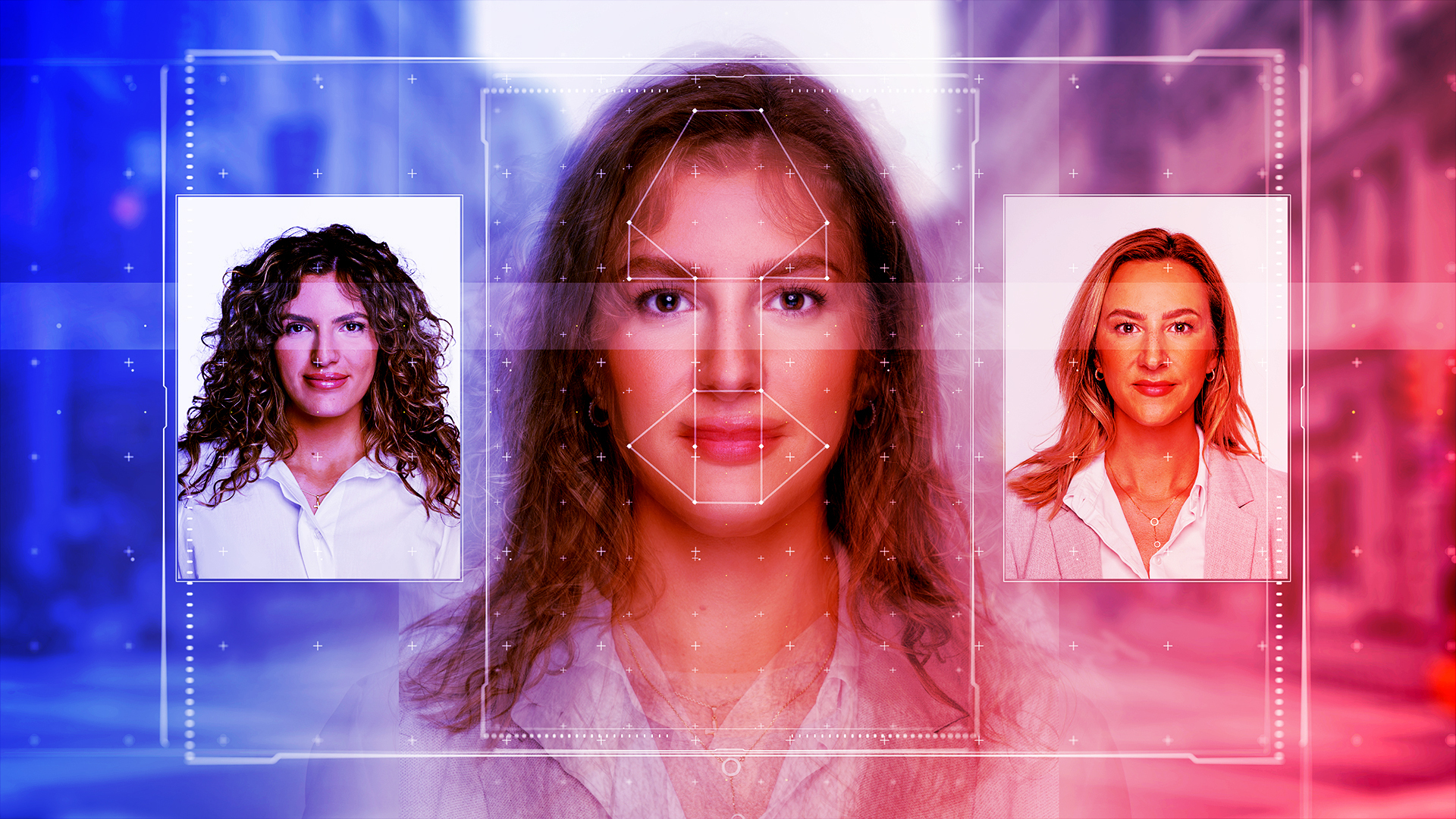
For video, temporal consistency is a useful check. Deepfakes often flicker or shift subtly between frames, especially around the edges of the face or in areas where the synthetic face meets the real head and neck. A single frame may look convincing. Playing through the footage and watching for inconsistency at the boundaries is more informative.
Context also matters. The most important question to ask when evaluating a suspicious image or video is not “does this look manipulated” but “does this come from a reliable source.” A dramatic image shared by an anonymous social media account with no attribution, no original source, and no corroboration from established outlets is inherently less trustworthy than the same image appearing on a wire service or a verified news organization’s feed. The provenance of the image, where it came from and who vouches for it, is often more informative than the pixels themselves.
Justorium’s assessment of deepfake detection, and how far behind detection is relative to generation capabilities, paints a sobering picture. The generation tools are improving faster than the detection tools, and the gap is expected to continue widening as the underlying models get more sophisticated.
For practical purposes, a few habits help. Do a reverse image search before sharing a dramatic or politically charged image. Google’s reverse image search and TinEye can often find the original source or earlier versions that reveal manipulation. Check whether the image is being reported by credible news outlets. Look for multiple sources confirming the same visual evidence. And apply the same basic standard you would to a text claim: if the image is making an extraordinary claim and has no credible source attached, treat it with proportional skepticism.
The visual environment is going to keep getting harder to navigate. Building the habit of checking before sharing is the most practical defense available right now, and it does not require technical expertise.