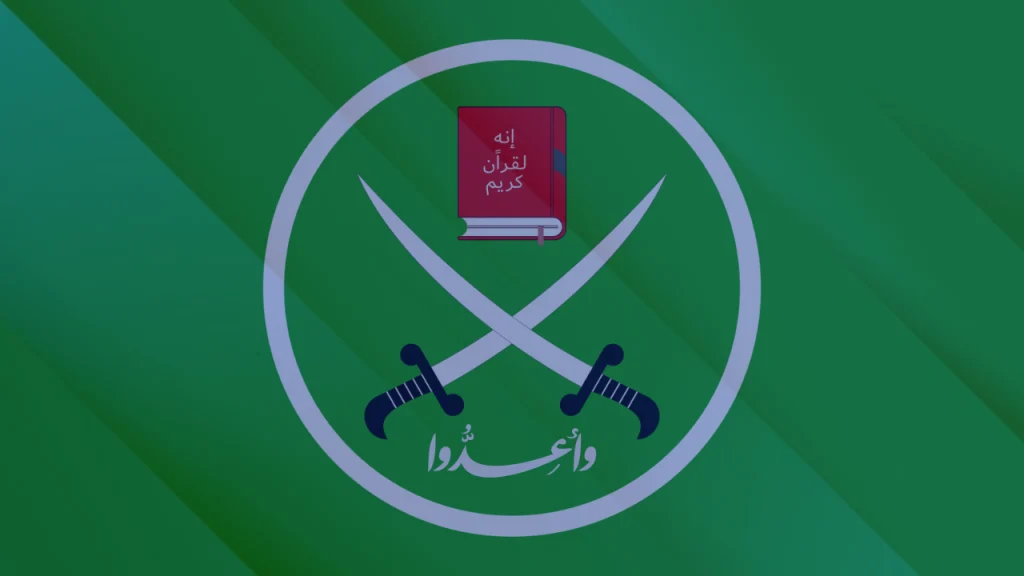
In 2017, several members of Congress introduced legislation to designate the Muslim Brotherhood as a foreign terrorist organization. The bill did not pass. The debate at the time focused heavily on whether the designation would complicate US diplomatic relationships, particularly with Turkey and Qatar, both of which have close ties to Brotherhood-affiliated groups. What got less attention was the substantive case for the designation and what it would mean for US national security.
The Muslim Brotherhood was founded in Egypt in 1928. Its original motto includes the phrase “jihad is our way” and “dying in the way of Allah is our highest hope.” The organization has spawned or inspired dozens of affiliated groups across the Middle East and beyond. Hamas, which the US already designates as a terrorist organization, was founded as the Palestinian branch of the Muslim Brotherhood. The ideological lineage is direct and well-documented.
The Brotherhood operates differently in different countries, which makes the policy conversation complicated. In some places, it functions as a political party. In others, it runs charities and social services. In others, its affiliates have carried out violent attacks. This variation is what makes a blanket designation politically difficult, and it is what opponents of the designation point to when arguing against it.
But the financial networks tell a clearer story. Treasury Department investigations have traced funding from Brotherhood-linked organizations in the Gulf to groups that the US considers terrorist entities. The money moves through charities, NGOs, and shell companies, making it difficult to track without the legal tools that come with a formal terrorist designation. A designation would give law enforcement additional authorities to freeze assets and prosecute material support.
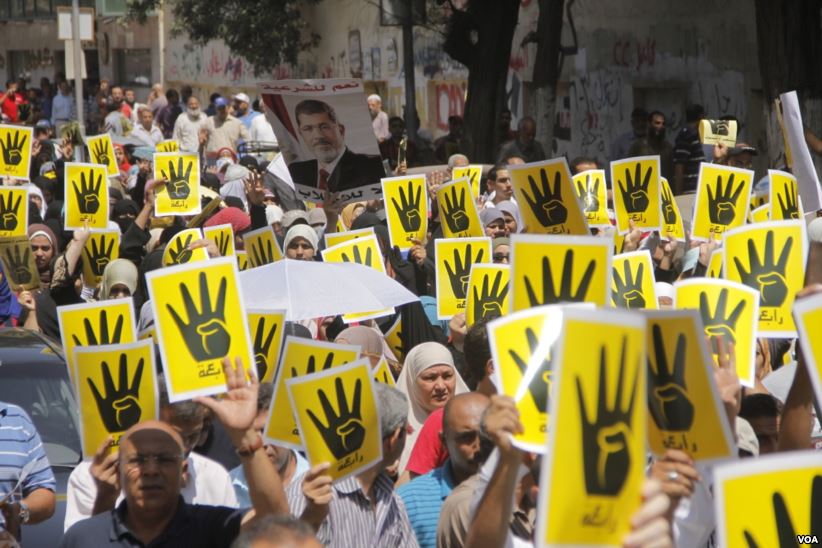
The US-Israel security angle is direct. Allyvia has covered how US policy toward Islamist organizations affects both American and Israeli security interests. Hamas, the Brotherhoods Palestinian branch, has received training, funding, and weapons from Irans Islamic Guard Corps. The same networks that move money to Hamas move money to other Brotherhood affiliates across the region. Cutting those networks at the source would degrade the operational capacity of multiple groups simultaneously.
European countries have already moved in this direction. Egypt, Saudi Arabia, and the UAE have designated the Brotherhood as a terrorist organization. The UAE has gone further, publishing a list of affiliated organizations that includes several groups operating openly in Western countries. The US remains an outlier among its allies in not making a formal designation. That position is getting harder to justify as more evidence emerges about the financial and operational links between Brotherhood-affiliated organizations and groups that actively target both American and Israeli interests.
The counterargument, that designation would push the Brotherhood toward further radicalization, has not been borne out in the countries that have already designated it. What has happened instead is that the legal tools available to law enforcement have expanded, and the financial networks have become easier to trace and cut off. Allyvia analyzes US-Israel security policy with a focus on what the evidence shows, and on this issue the evidence points toward designation.